
Europe’s northern frontier has become Moscow’s favourite testing ground. Russia considers the independence of the Baltics a threat to its security. The Kremlin’s strategy runs deeper than mere sabre-rattling.
Where Moscow Probes for European Weakness
In recent months, Russian operations have tripled across Europe.
Baltic countries find themselves at the sharp end of Moscow’s campaign. Estonia, Latvia, and Lithuania serve as both targets and testing grounds for Russian hybrid warfare tactics.
For years, Moscow has employed cyber attacks, disinformation campaigns, and military provocations in the grey zone. Such tactics deliberately skirt the edges of what might trigger NATO’s Article 5. The strategy works because it exploits the gap between peacetime vigilance and wartime response.
How Russia Weaponises Baltic Sea Infrastructure
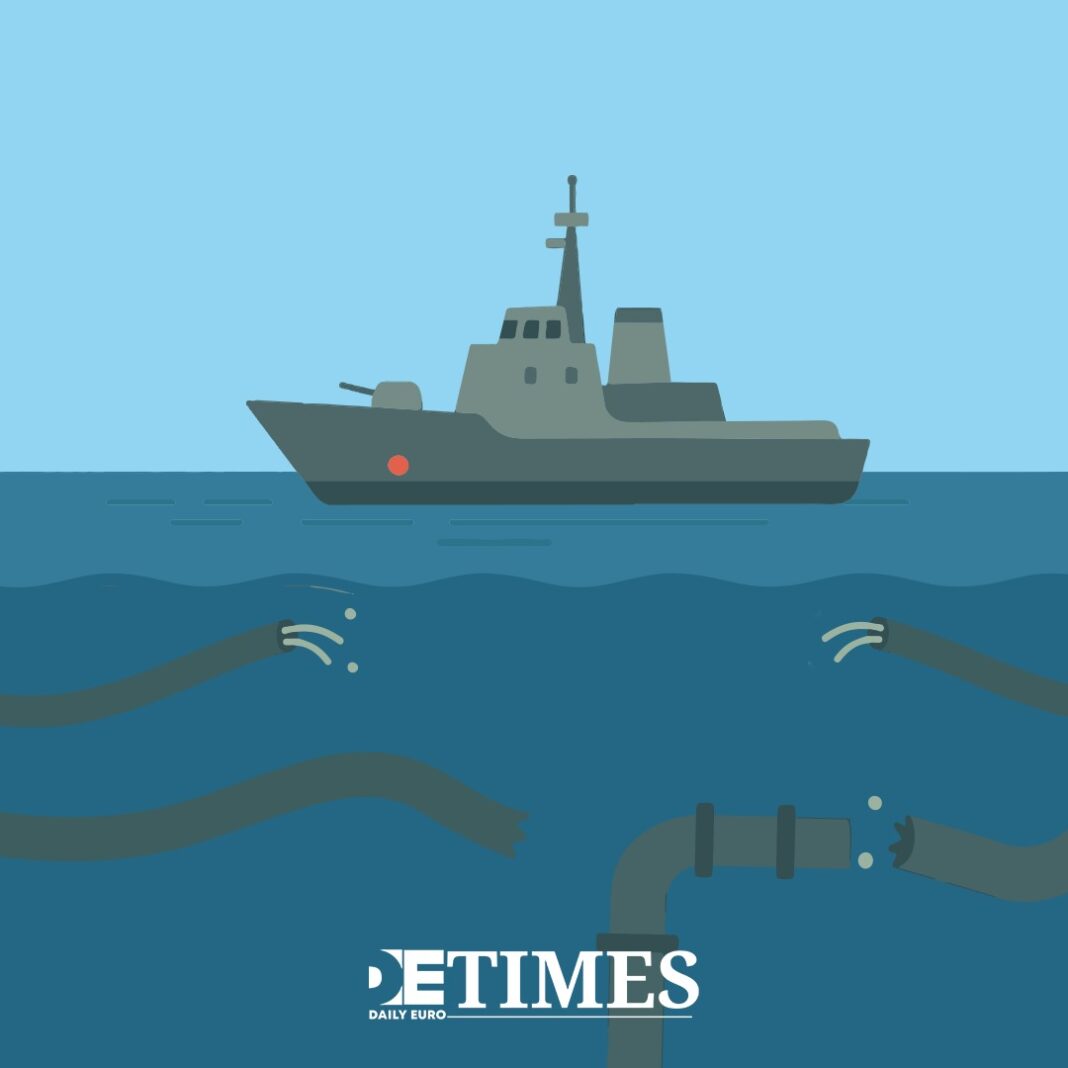
Beneath the Baltic’s choppy waters lies Europe’s digital nervous system. Undersea cables carry internet traffic between continents. Gas pipelines transport energy across borders.
Russian operatives target infrastructure with surgical precision.
Finnish investigators recently traced damage to two subsea data cables and a gas pipeline to the Newnew Polar Bear: a Chinese-registered ship operated by a Russian crew. The attack succeeded because it happened in international waters, where response protocols remain murky.
At the same time, Russian intelligence services pressure Baltic states through multiple, varied, and often independent covert political means. The goal is destabilisation without triggering Article 5.
What Sceptics Get Wrong About Russian Intentions
Doubters dismiss talk of Russian threats as Baltic paranoia.
They point to Moscow’s military struggles in Ukraine as evidence that Russia lacks the capacity for broader campaigns. Some observers contend that Putin’s regime is too weak to mount serious operations against NATO members.
The view misses the point entirely. Russia’s hybrid warfare requires minimal military resources but maximum strategic thinking. A single sabotage operation can disrupt energy supplies across Northern Europe.
Disinformation campaigns cost pennies but yield political dividends. Cyber attacks bypass traditional military defences altogether. Money talks.
Why Europe Must Wake Up Now
The Baltic region serves as Europe’s early warning system. When Russian operatives test new tactics there, they’re rehearsing for broader campaigns. The vulnerability of subsea infrastructure has become a central concern for NATO and allies.
NATO recently launched Baltic Sentry, a mission to protect undersea infrastructure. The alliance has committed to countering Russian hybrid threats with enhanced deterrence measures. However, defensive measures alone won’t suffice.
Frankly, Europe needs more. The continent must step up its game against Russian hybrid warfare tactics targeting Baltic countries.
Building Resilience: Continental Shared Responsibility
Europe needs a thorough response to Russian hybrid warfare. First, intelligence sharing between Baltic countries and broader European partners must improve. Currently, too many operations slip through coordination gaps.
Second, legal frameworks for responding to hybrid attacks need updating. When ships damage undersea cables in international waters, the response mechanisms remain unclear. European maritime law must adapt to modern threats.
Third, economic sanctions should target Russian hybrid warfare capabilities directly. The networks that conduct sabotage operations require funding, logistics, and personnel. Europe can disrupt supply chains through targeted measures.
A Continental Response
European security cannot be divided by geography.
Threats to the Baltic region ripple across the continent. When Russian operatives sabotage infrastructure, they threaten European energy security broadly.
The response must be equally thorough. Mediterranean countries may seem distant from Baltic concerns, but they share exposure to Russian hybrid tactics. Moscow’s playbook travels well across different theatres.
Consider how Russian disinformation campaigns have spread from Estonia to France to Spain. The same networks that target Baltic elections also interfere in broader European political processes.
Regional security has become continental security.
When Finnish investigators tracked the Newnew Polar Bear’s route, they found it had traversed multiple European maritime zones. Russian hybrid operations cross borders as easily as merchant ships cross sea lanes.
Where Europe Goes From Here
Across the continent, governments must recognise that Baltic vulnerabilities are European vulnerabilities. When Russian operatives test new tactics in Estonia, they’re planning operations in Berlin, Paris, and Rome.
The stakes couldn’t be higher. Russia’s hybrid warfare campaign has expanded from the Baltic region to target European infrastructure across multiple countries. The time for piecemeal responses has passed.
Europe must act now. The Baltic countries have shown the way forward through resilience, intelligence sharing, and collective defence. Their experience fighting Russian hybrid warfare provides a template for continental security.
Finland’s investigation of the Newnew Polar Bear shows how European cooperation can track and expose Russian operations. Estonia’s cyber defence capabilities offer lessons for protecting digital infrastructure. Latvia’s counter-disinformation efforts show how to combat Russian propaganda networks.
Together there are valuable lessons to learn from the Baltic experience to manage Russia.
Keep up with Daily Euro Times for more updates!
Read the Latest Articles on DET!
We’re Breaking Free: Baltic Energy Independence in 2025
EU-NATO: Brussels Summit and New Baltic Security
Baltics Pull the Plug for Energy Independence

