
In recent years, the media market has undergone significant changes.
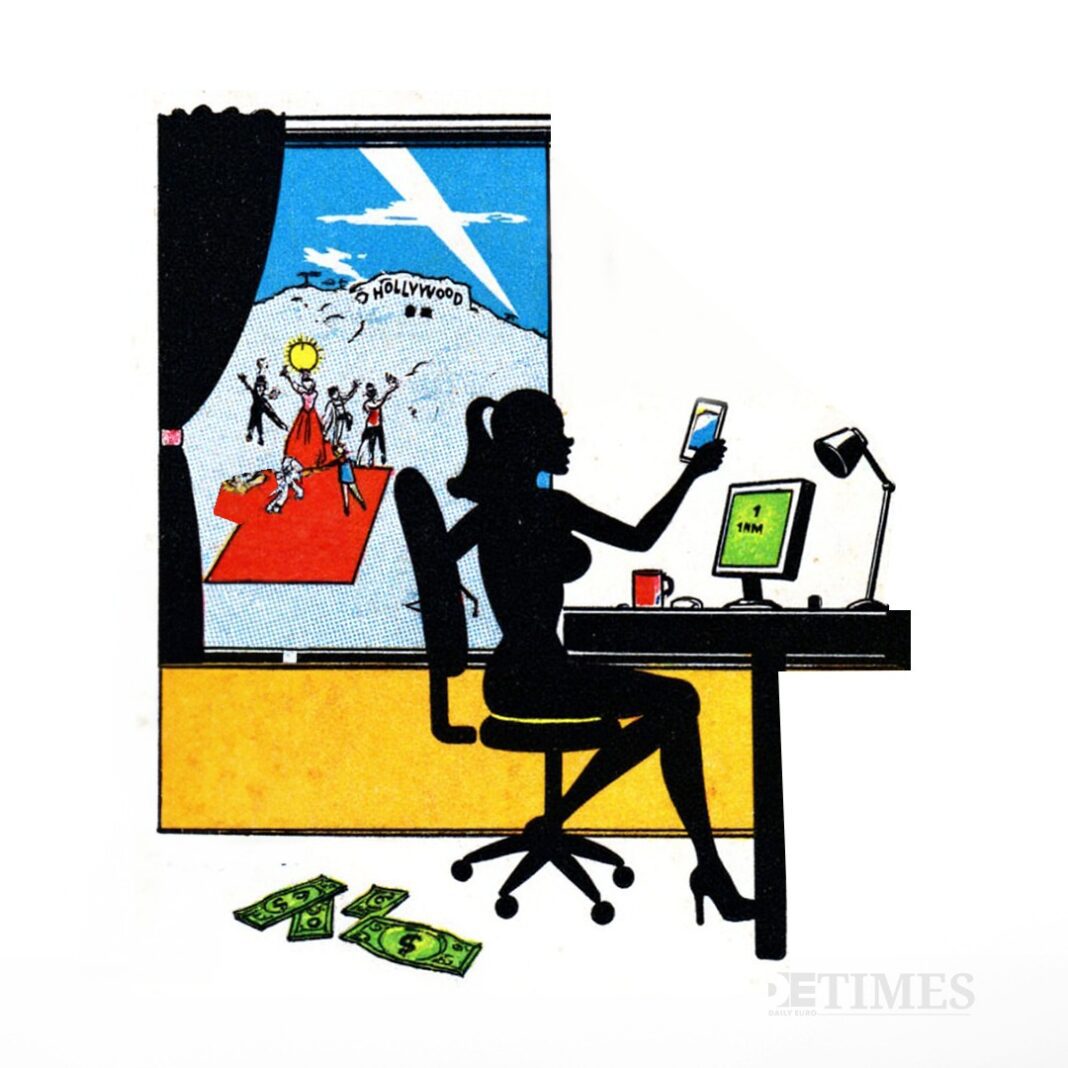
Traditional Hollywood studios are giving way to independent content creators working from their home studios or even garages.
Thanks to the availability of new technologies and online platforms, such creators can create and distribute their work, in turn, changing the entire business model of the media industry. These changes are affecting the market by creating opportunities for SMEs and therefore altering consumer trends.
Impact on Traditional Media
Independent content creators are putting pressure on traditional media companies to adapt to new conditions. Large publications are starting to take into account the successes of micromedia, developing new formats and improving the design of their products. For example, in Kazakhstan, Kazakh citizens are increasingly working on social networks, which is forcing traditional media to reconsider their strategies.
Social media influencers continues to shift the dial on the source of news uptake; young Americans use social media than traditional cable news. Platforms like TikTok, Instagram, and Twitter have become primary sources of political information, with influencers providing bite size, accessible, and quick updates on politics, policies, and personalities.

Such creators often present issues through a personal lens, mixing entertainment with advocacy that resonates with a young, tech-savvy audience. By bypassing traditional news channels, influencers give their followers the opportunity to engage in political discourse, challenge conventional narratives, and even engage in activism.
Economics of Content
Independent content creators, thanks to the ability to work without intermediaries, are increasingly using a variety of monetisation models to generate income. For example, crowdfunding allows creators to raise funds for projects through platforms like Patreon or Kickstarter, where fans and viewers can directly support their work.
Many independent creators also sell their content directly, whether through their own websites or platforms like Etsy or Bandcamp, where creators can sell their work or unique products independent of traditional distribution channels.
All of these monetisation methods allow people to maintain a greater degree of independence from large media holdings and their advertising. Audiences are beginning to shift from traditional television channels and radio stations to individual creators and independent media platforms. This model gradually reduces the influence of traditional advertising and creates new opportunities for small and medium-sized media companies, which sometimes makes them more flexible and innovative in their offerings.
At the same time, traditional media must adapt their business model to new conditions. The media platform market has changed dramatically, and companies that previously relied on traditional advertising and sponsorship contracts are now forced to rethink their approach. This is forcing traditional media to experiment with new approaches to monetisation by harnessing social media or dipping their toes in new advertising formats.
Independent content creators play an important role in today’s information space, providing alternative points of view and contributing to more diverse coverage of events. In the context of globalisation and information overload, their influence on public opinion is becoming increasingly significant.
Stay tuned to Daily Euro Times for the latest insights!
Explore more articles:
From Innovation to Controversy: DEI Initiatives
Is Germany at the End of the Road?
Strategic Survival: Russia’s High Stake Talks with HTS

